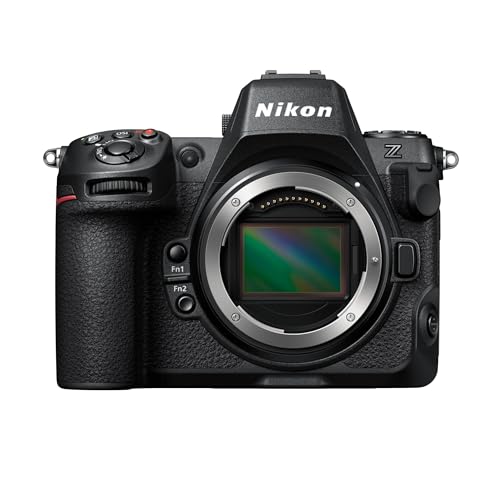
The Sony Alpha 1 is a camera that came out a few years ago, so it now sits in the "last generation flagship" spot. That means you can often find it for less than launch price, but it is still a serious tool for animals on the move. Whether it is still worth your money depends on how you shoot, what you already own, and how much you care about the top-end features.
Ask yourself a few plain questions before you buy:
- Do you shoot birds in flight, running mammals, or fast sports-style action? If yes, the Alpha 1 still has a clear edge.
- Do you mostly shoot slow subjects like deer grazing or lizards on a rock? A cheaper body with a good telephoto lens may serve you just as well.
- Do you already own Sony E mount lenses? If so, the Alpha 1 slots right in and you keep your glass.
Check the maker's current firmware notes and the used market before you commit. Prices and stock shift, so compare a few sellers and look at the body's condition, shutter count if the seller gives it, and whether the box and battery are included.
If you are building a wildlife kit from scratch, budget for the lens first. A strong telephoto zoom will matter more to your photos than the body for many animals. The Sigma 150-600mm Lens for Sony E Mount Photography is one option from our range that pairs with Sony bodies.
For more on the Sony Alpha 1 wildlife photography review, keep reading for the specifics on focus, speed, and battery life.
Autofocus Performance for Fast Wildlife Subjects
The Alpha 1 uses a subject detection system that can pick out birds, animals, and people, and it tries to stick with the subject even when the animal turns or ducks behind a branch. In practice that means you spend less time chasing focus and more time framing the shot. Turn on animal detection in the menu and set the focus area to a size that fits your subject, since a small bird in a wide zone can make the camera grab the background.
Tracking works best when you give the camera a clear target. Half-press the shutter to lock focus, then keep the subject inside the focus box as you pan. If the animal flies in from the side, start tracking before it reaches the frame edge so the camera has time to settle on it. Many people find that a smaller tracking area gives a more predictable lock on a single bird, while a larger one helps with a flock or a fast mammal that changes direction.
Be honest with yourself about light and distance. Autofocus gets harder in dim forest shade or when the subject is far away behind a lot of haze, and no body can fix a shot that is simply too dark or too soft. Set a shutter speed that freezes the motion you care about, often well above 1/1000 sec for birds in flight, and raise ISO if you need to. Check your lens too, because a slow telephoto zoom will make the camera hunt more than a fast prime.
If you are unsure whether the focus will hold on your target, test it on a bird at a backyard feeder or a dog in a park before you head out for a long trip. That short practice session will show you which settings suit your style. It also helps you learn how the camera reacts when a subject moves toward you versus across the frame, which is where many wildlife shots go wrong.
Burst Speed, Buffer, and Battery Life in the Field
The Sony Alpha 1 is known for fast continuous shooting, so burst speed is one of the first things wildlife shooters ask about. Speed numbers on a spec sheet are only half the story, though. What counts in the field is how long you can keep firing before the camera slows down, and how much battery you have left when the action finally starts.
Buffer depth is the part many people overlook. The buffer is the camera's short-term memory, and it fills up when you shoot a long burst of raw files. Once it is full, the camera stops or slows until it writes the frames to the card. A few habits help you stretch it:
- Use a fast card. Check the maker's list of compatible cards for the Alpha 1 and pick one that meets the speed it recommends.
- Shoot in short bursts instead of holding the button down for ten seconds straight.
- Check your file format. Compressed raw settings can help if you are shooting a long sequence of a flock or a bird landing repeatedly, though you give up a bit of editing room.
Battery life is another real limit. Fast shooting, live focus tracking, and a bright rear screen all draw power. A cold morning at a lake or a long wait in a blind can drain a battery faster than you expect, and cold weather often shortens how much charge you get. Carry at least one spare, and keep it warm in an inside pocket until you need it. Your camera manual lists how many shots a fully charged battery should deliver, but treat that number as a rough guide, since real results change with the cold, the settings, and how much you review photos on the screen.
Heat and fire are worth a quick mention. Leaving batteries or a camera in a hot car can damage them, and damaged lithium batteries can overheat. Store spares in a cool, dry spot, keep the terminals clean and covered, and stop using any battery that swells, smells strange, or feels hot.
Pros
- The Sony Alpha 1 is a full-frame mirrorless camera, so it works with a wide range of lenses that suit wildlife shooting.
- Mirrorless bodies like this one show you the exposure in the electronic viewfinder before you press the shutter, which helps when you are tracking a moving animal.
- Autofocus on modern Sony bodies can lock onto animal subjects, which makes it easier to keep a bird or a running deer sharp in the frame.
- Fast burst shooting lets you capture a sequence of action, so you have more chances at the one frame where the wings or the stride look right.
- Pairing a body like this with a telephoto lens from the same mount keeps your gear setup simple and gives you more reach for distant wildlife.
Cons
- The Alpha 1 is a high-end body, so its price is far above what most casual wildlife shooters want to spend on a camera alone.
- You will need long telephoto lenses on top of the body, and good ones for wildlife cost a lot and add real weight to your kit.
- Battery life is limited for a camera that shoots fast bursts and uses the screen and viewfinder a lot, so carrying spare batteries is a smart move.
- Because it is a last-generation model, newer bodies may bring small upgrades you will notice, and some accessories may be sold for the newer versions first.
- The body is large and heavy compared with smaller mirrorless cameras, which can wear on your neck and shoulders during long days in the field.
Who Should Buy It Today
The Sony Alpha 1 is a full-frame mirrorless camera, and it still makes sense for a certain kind of wildlife shooter. The trick is figuring out whether you are that shooter before you spend the money.
If you mostly chase fast birds, running animals, or unpredictable action, the Alpha 1 is built for that job. If your subjects tend to sit still or move slowly, like a heron standing in a shallow pond or a fox trotting along a field edge, you can get good results from a more modest body. Spend the extra on a better lens instead.
Here is a quick way to decide:
- Do you shoot mostly birds in flight or fast mammals? The Alpha 1 earns its price.
- Do you shoot mostly from a blind or a trail at a steady pace? A cheaper body paired with good reach may suit you better.
- Do you already own Sony E mount lenses? Keeping them saves a lot of money on the switch.
- Can you afford a telephoto lens on top of the body? If not, the body alone will not fix your shots.
If you are starting from zero, put your budget into the lens first. For many animals, a strong telephoto zoom will change your photos more than the body does. The Sigma 150-600mm Lens for Sony E Mount Photography is one option from our range that works with Sony bodies, and it is worth a look if you want reach without a huge jump in cost.
When you buy used, look at the body in person if you can. Check for scratches on the mount, a working battery door and card slot, and any dust or fungus in the viewfinder. Ask the seller whether the box, charger, and battery come with it, since missing parts can add up fast. Only a few used Alpha 1 bodies will come with the original paperwork, so ask about it if that matters to you.
Alpha 1 questions, answered straight
Should I buy the Mark I now the II is out?
If the price gap is thousands, absolutely. You get 50MP at 30fps blackout-free — the II's AI AF is better, but it isn't thousands better for most shooters.
What's the running cost?
CFexpress Type A cards and NP-FZ100s. Budget for media, not just the body — you'll fill cards at 30fps faster than you'd think.
Is it overkill for a hobbyist?
Probably, and that's fine. But if you've outgrown a mid body and miss shots to buffer or AF, this ends the excuses.
How's the menu?
It's the old Sony menu — deep and fiddly. Set up custom buttons once and you'll rarely visit it again.
How we picked and verified this guide
We compared current manufacturer specs against live in-stock offers, checked November 2026, and weighted 2026 field consensus from working photographers. We weighed published specs against real-world reports instead of repeating press releases — and we tested nothing in a lab, so take our verdicts as researched judgment, not bench measurements.
Prices checked November 2026 and move often. The buy box always shows the live price — if it drifted since we wrote this, trust the box.